

Short answer: Cold therapy machines are commonly considered when someone wants a reusable way to deliver circulating cold to a covered treatment area. They may be used within clinician-directed plans after some surgeries or injuries, but indications, timing and expected benefits vary. This guide focuses on deciding whether a machine fits your plan and what to compare before buying.
Possible Uses to Discuss With a Clinician
| Situation | Question to ask | Important limit |
|---|---|---|
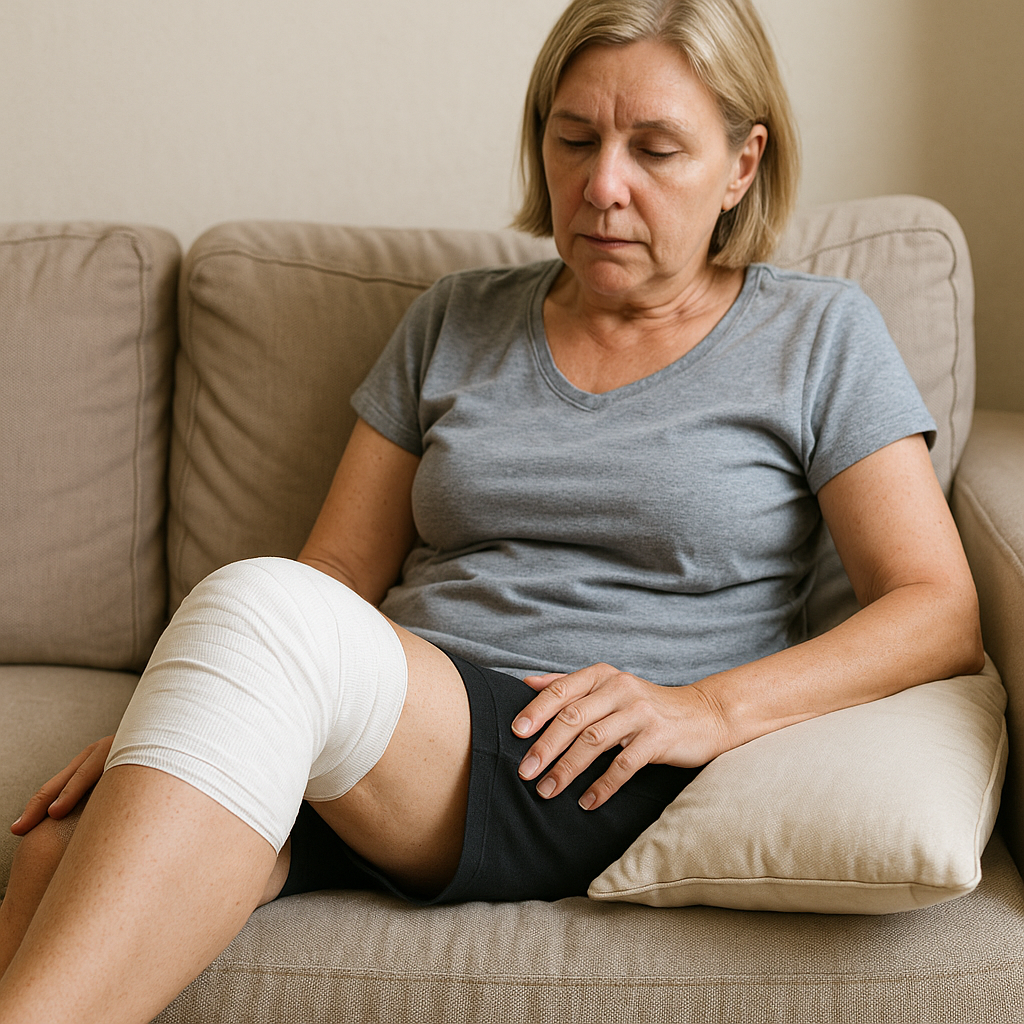
| After surgery | Does my procedure-specific plan include cold therapy? | The surgeon should determine timing around dressings, wounds and reduced sensation. |
| Recent sprain or strain | Is home cold therapy appropriate after the injury is assessed? | Cold does not rule out a fracture or serious soft-tissue injury. |
| Joint flare-up | Would cold or another approach better match my symptoms? | Persistent swelling, heat or redness may need medical evaluation. |
| After exercise | Am I treating ordinary soreness or masking an injury? | Cold therapy does not guarantee a shorter recovery time or improved performance. |
Who Needs Extra Caution?
People with reduced skin sensation or circulation can miss early warning signs of cold injury. Ask a healthcare professional before use if you have neuropathy, peripheral vascular disease, diabetes-related sensation changes, Raynaud's phenomenon, cold allergy, an open wound or another condition that affects skin or circulation.
The FDA's guidance for water-circulating hot/cold therapy devices advises users to follow the prescribed treatment, monitor the skin and stop for numbness, burning, increased pain or unusual color. A timer reduces the chance of forgetting a session, but it cannot detect skin damage.
Cold Therapy Machine Buying Checklist
- Clear temperature and operating instructions: The manual should explain filling, barriers, cleaning and warning signs.
- Wrap fit: The wrap should cover the intended area without folding, leaking or restricting circulation.
- Timer or automatic shutoff: Helpful for following a plan, but not permission to use the device unattended.
- Adjustable flow: Useful for comfort when used within the device instructions.
- Easy cleaning: Check how the reservoir, tubing and wrap should be emptied, dried and stored.
- Replacement availability: Confirm that compatible wraps, tubing and other wear items are available.
- Noise and portability: Compare these practical details if the system will move between rooms or travel with you.
Questions to Ask Before You Buy
- What body area and recovery stage am I buying it for?
- Has a clinician confirmed that circulating cold is appropriate?
- Can I remain awake and check my skin during every session?
- Does the wrap fit without putting pressure on a wound, incision or numb area?
- Are the warranty, return policy and replacement parts clear?
KONGZEE Product Information
The KONGZEE cold therapy ice machine includes a circulating-water system, flexible wrap, timer and adjustable flow. Compare the current product specifications with the checklist above and with instructions from your healthcare professional. For a plain-language explanation of the technology, read what a cold therapy machine is and how it works.
Frequently Asked Questions
Does a cold therapy machine provide compression?
Straps hold a wrap in place, but that does not mean every system provides regulated medical compression. Do not overtighten straps, and use only the fit described in the manual.
Can cold therapy reduce the need for medication?
Do not change prescribed medication based on a device claim. Discuss pain control and side effects with the clinician managing your care.
Is a timer enough to prevent cold injury?
No. Correct temperature, a suitable barrier, proper fit, intact sensation and regular skin checks are also important.
When should I stop?
Stop for numbness, burning, increasing pain, unusual skin color or any new concerning symptom. Contact a healthcare professional if symptoms persist or the underlying condition is unclear.
Reviewed July 29, 2026. Educational information only; not a diagnosis or treatment plan.




Leave a comment
All comments are moderated before being published.
This site is protected by hCaptcha and the hCaptcha Privacy Policy and Terms of Service apply.