

Preventing Muscle Loss in Aging How EMS Stimulation Helps Seniors Stay Strong
The Short Answer: Muscle mass declines 3–8% per decade after age 30 and accelerates sharply after 60. This condition — sarcopenia — is the primary driver of fall risk and loss of independence in older adults. EMS (Electrical Muscle Stimulation) triggers passive muscle contractions that slow this decline, even when active exercise isn't possible. Sessions of 15–20 minutes, 3–5 times per week, produce measurable results in 4–8 weeks.
What Sarcopenia Actually Does to Your Body
The Numbers Are Worse Than Most People Realize
By age 70, the average person has lost 25–30% of their peak muscle mass. By 80, it can be 40% or more. The NIH research on sarcopenia estimates it affects 10–40% of older adults depending on the population studied — and most don't know they have it until a fall or a sudden inability to perform a task they used to do easily.
Why It Accelerates After 60
Declining hormone levels reduce the signal that tells muscles to maintain themselves. Protein synthesis becomes less efficient — the same protein intake that maintained muscle at 40 isn't enough at 65. Chronic low-grade inflammation damages muscle fibers faster than they can repair. And reduced activity removes the stimulus that keeps muscles active.
According to the Healthline sarcopenia guide, inactivity is the most modifiable risk factor — meaning it's the one most amenable to intervention. EMS addresses exactly this.
How EMS Slows Muscle Loss
| Factor | Active Exercise | EMS |
|---|---|---|
| Muscle fiber activation | Voluntary contraction | Electrical stimulation — same fibers engaged |
| Joint stress | Moderate to high | Minimal — no weight bearing required |
| Cardiovascular benefit | Yes | Limited |
| Usable when mobility is limited | Often not | Yes — works sitting or lying down |
| Atrophy prevention | Yes | Yes — primary benefit |
| Muscle hypertrophy | Significant with resistance training | Modest in sedentary adults |
The Healthline EMS overview notes EMS is used in physical therapy specifically for maintaining muscle function during periods of reduced activity — post-surgical recovery, chronic illness management, and age-related mobility decline.
How to Use EMS for Muscle Maintenance
Place electrode pads on the target muscle group. Quadriceps for leg strength and fall prevention. Hamstrings and calves for lower body stability. Paraspinal muscles for back support and posture. Upper arms for daily function.
Start at the lowest intensity. Increase until you see visible muscle contractions — firm and rhythmic, not painful. Sessions of 15–20 minutes per muscle group, 3–5 times per week. Results typically become measurable after 4–8 weeks of consistent use.
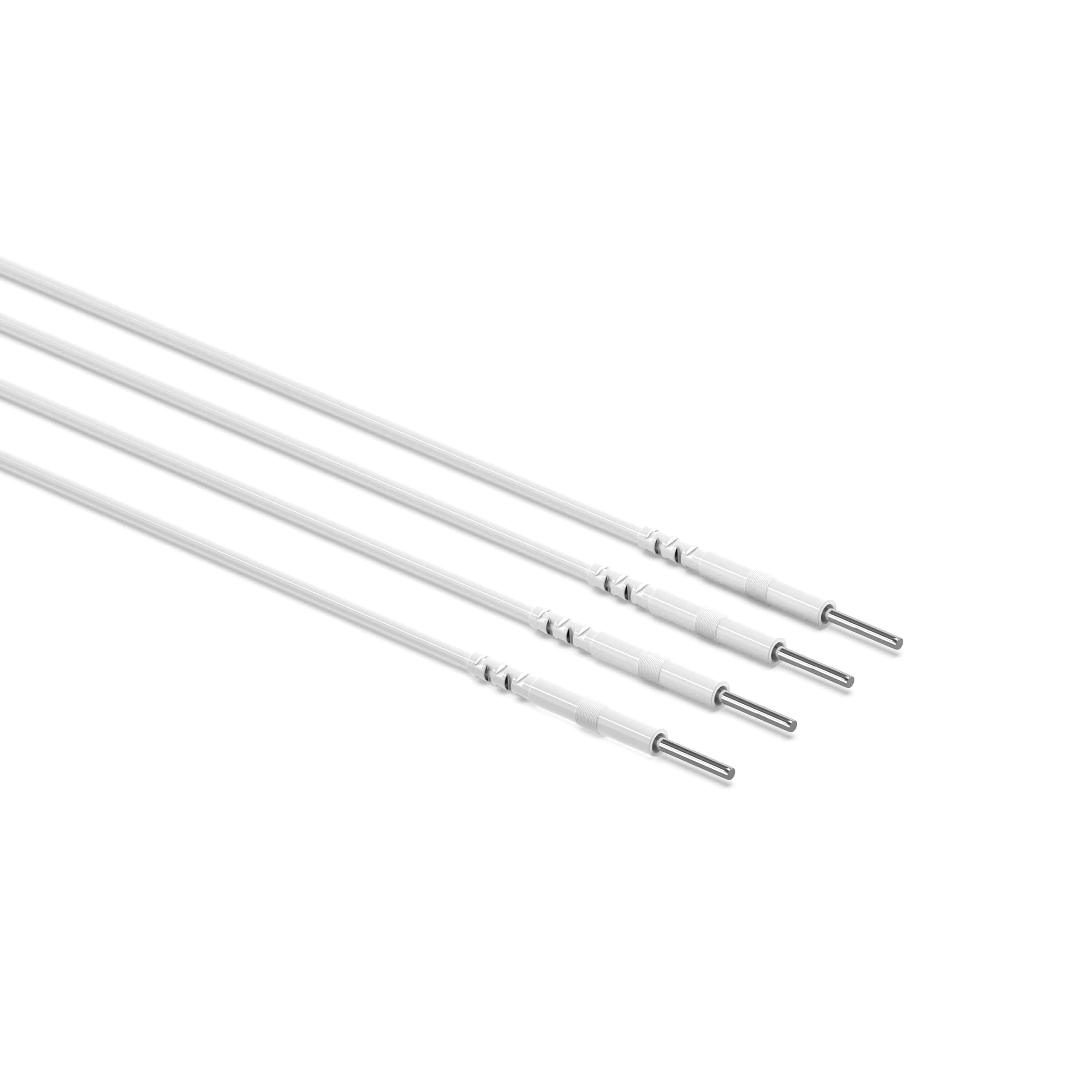
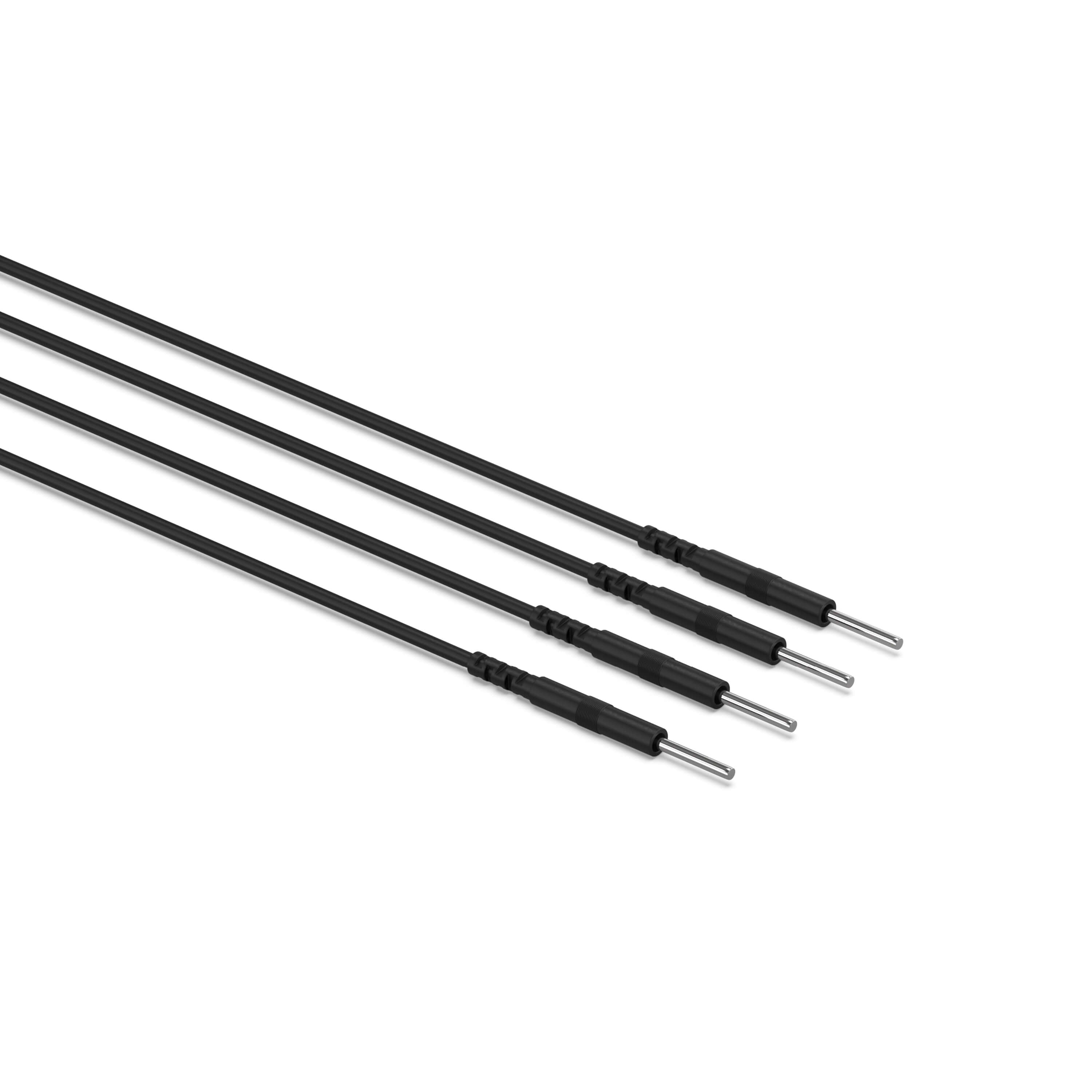
The Kongzee 4-in-1 DIY TENS and EMS Unit
Weak quads and lower back pain at the same time. One device, two channels, both addressed in a single session.
The Kongzee 4-in-1 DIY TENS & EMS Unit runs EMS on one channel for muscle maintenance and TENS on the other for pain relief simultaneously. You don't need two devices or two sessions. The DIY mode lets you adjust pulse width and frequency manually — important for EMS, where the right frequency determines whether you're targeting slow-twitch endurance fibers or fast-twitch strength fibers.
Combine EMS with adequate protein intake for best results. The Mayo Clinic protein guide recommends 1.0–1.2g of protein per kilogram of body weight per day for older adults trying to maintain muscle mass — higher than the standard recommendation for younger adults. Without sufficient protein, EMS has less material to work with for muscle repair.
(Prices may vary due to promotions. Please check the official website for the latest pricing.)
Frequently Asked Questions
Can EMS build muscle in seniors or just maintain it?
Both — but the primary benefit is slowing atrophy. EMS can produce modest muscle gains in sedentary older adults. Combined with resistance exercise and adequate protein, the effect is significantly greater.
How quickly does EMS show results for muscle maintenance?
Studies typically show measurable effects on muscle activation and strength after 4–8 weeks of consistent use. Results vary by individual, baseline fitness level, and frequency of sessions.
Is EMS safe for seniors with osteoporosis?
Yes — EMS stimulates muscles, not bones directly. It's generally considered safe for osteoporosis. Consult your physician before starting if you have severe osteoporosis or recent fractures.
Can I use EMS on my back to prevent muscle loss there?
Yes. Place pads on the paraspinal muscles on either side of the spine — never directly on the spine itself. Back muscle maintenance is critical for posture and fall prevention in older adults.





Leave a comment
All comments are moderated before being published.
This site is protected by hCaptcha and the hCaptcha Privacy Policy and Terms of Service apply.