
What Makes a TENS Unit Physical Therapist Recommended
The Short Answer: Physical therapists don't recommend a brand — they recommend specific features. A PT-approved TENS unit needs independently adjustable frequency and intensity, dual-channel output, and enough electrode pads to last through daily use. Devices that only offer preset programs can't match the right settings to the right condition. The Kongzee 4-in-1 DIY TENS & EMS Unit hits every criterion on that list.
What Physical Therapists Actually Look For
Adjustable Frequency Not Just Preset Programs
Nerve pain responds to high-frequency TENS (80–150 Hz). Chronic muscle pain responds to low-frequency TENS (2–10 Hz). Post-surgical soreness sits somewhere in between.
A device with five preset programs can't cover that range. You get whatever the manufacturer decided "back pain" or "shoulder" should feel like. That's not how physical therapists work.
They dial in the frequency to match the condition. Then they adjust as the patient progresses. According to the Healthline TENS therapy guide, frequency selection is one of the most important variables in effective TENS treatment — and it's the one most budget devices take away from you.
Dual-Channel Output
Your lower back hurts. So does your hip. A single-channel device makes you choose.
Physical therapists use dual-channel units to treat two areas simultaneously with different settings on each channel. At home, that means lower back on channel A, hip on channel B — different intensities, same session. You're done in 20 minutes instead of 40.
Pad Quality and Quantity
Pads wear out fast with daily use. A device that ships with four small pads needs replacements within weeks.
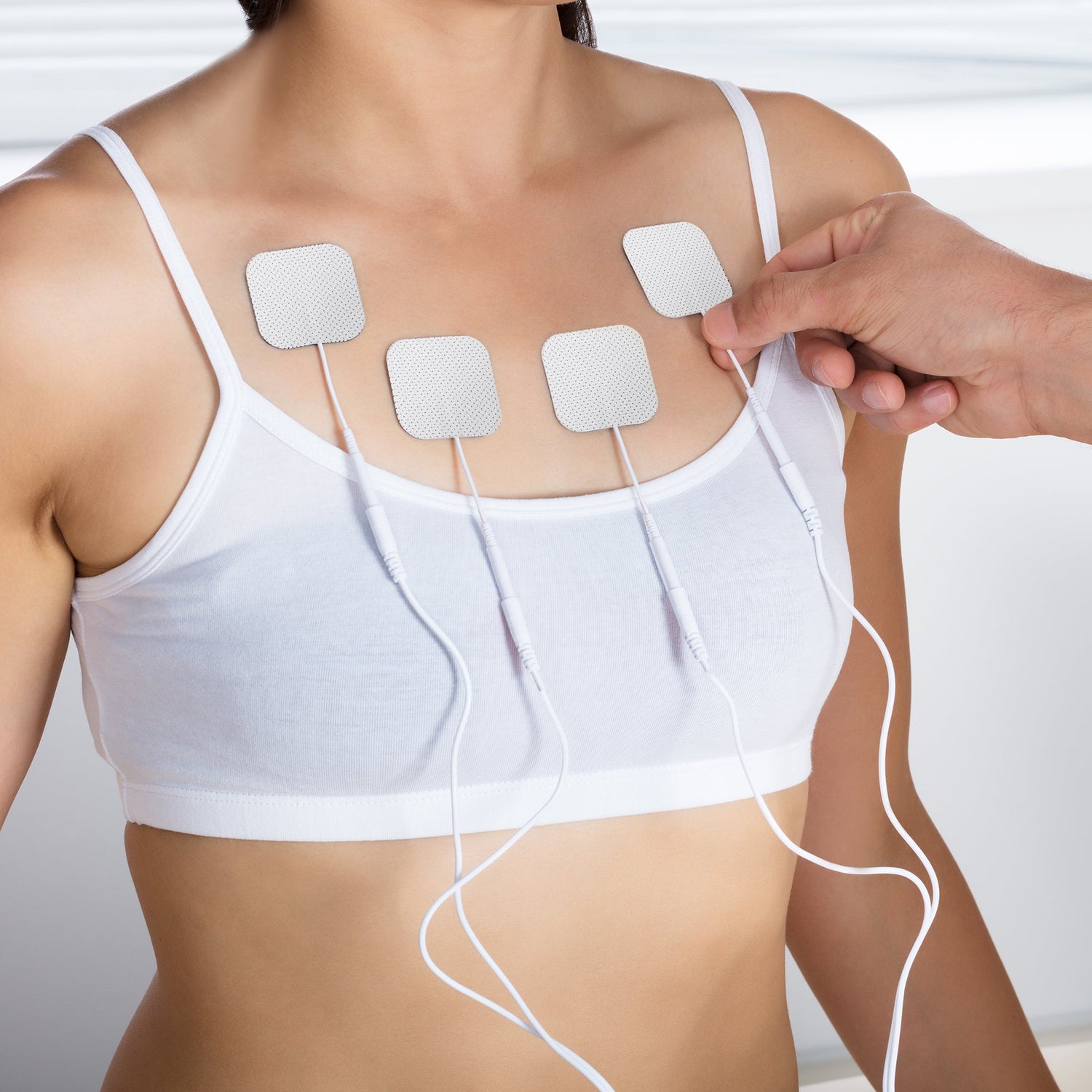
Physical therapists look for devices that include multiple pad sizes — small pads for precise spots, large rectangular pads for broad muscle groups like the lower back — and use standard connectors compatible with widely available replacements.
Physical Therapist Home-Use Protocol
| Step | Guideline |
|---|---|
| Skin prep | Clean, dry skin — no lotion, no sweat |
| Pad placement | Over or near the painful muscle, never on the spine |
| Starting intensity | Always begin at the lowest setting |
| Target sensation | Strong tingling — noticeable but not painful |
| Session length | 20–30 minutes per session |
| Frequency | 1–3 times per day depending on pain severity |
| What to avoid | Spine, heart area, broken skin, front of neck |
The WebMD TENS home-use guide and the Mayo Clinic TENS overview both align with this protocol.
The Kongzee 4-in-1 DIY TENS and EMS Unit
Every feature physical therapists look for — in one device.
The Kongzee 4-in-1 DIY TENS & EMS Unit gives you independent control over pulse width and frequency on both channels. You're not picking from a preset list. You're dialing in the exact settings your condition needs — the same way a physical therapist would in a clinic.
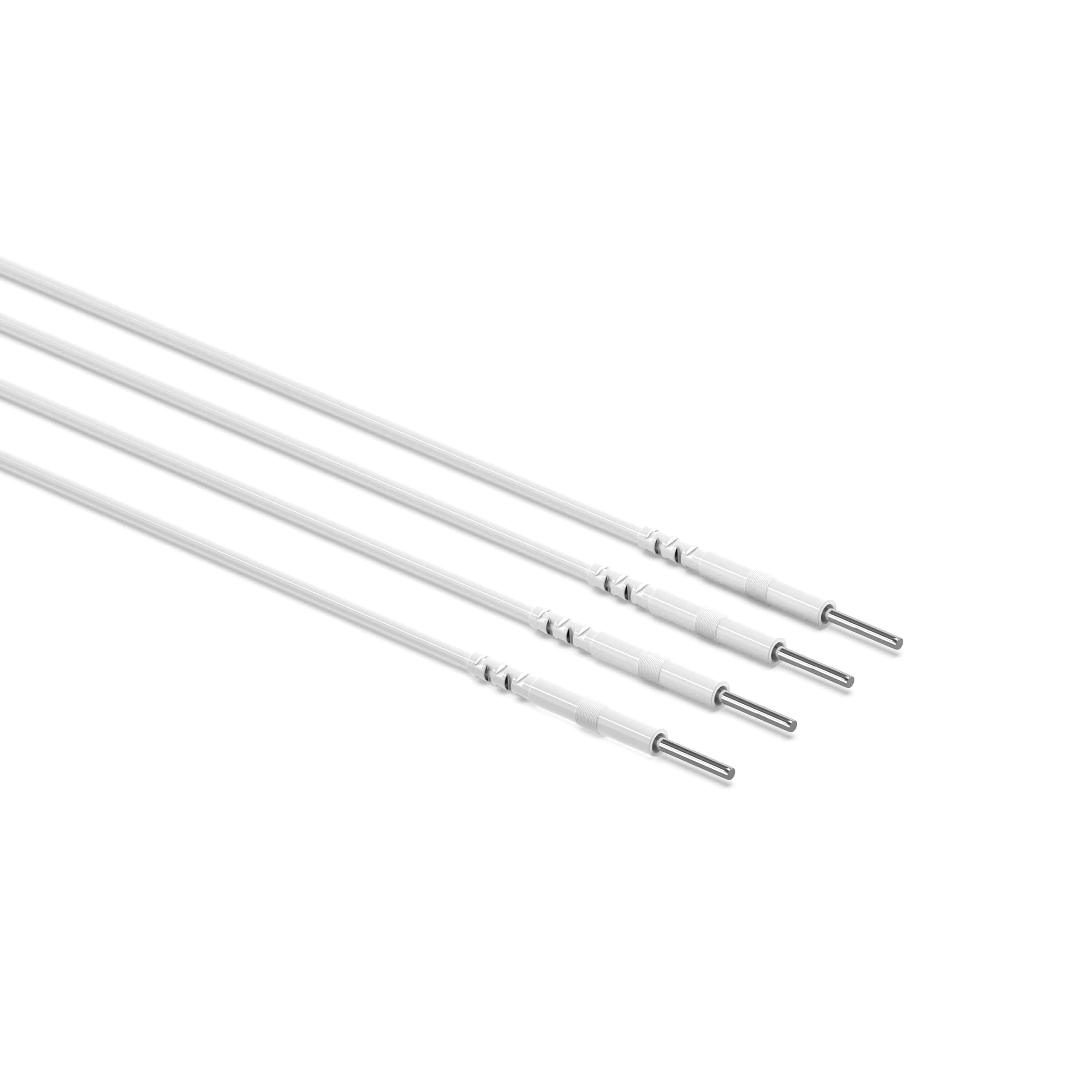
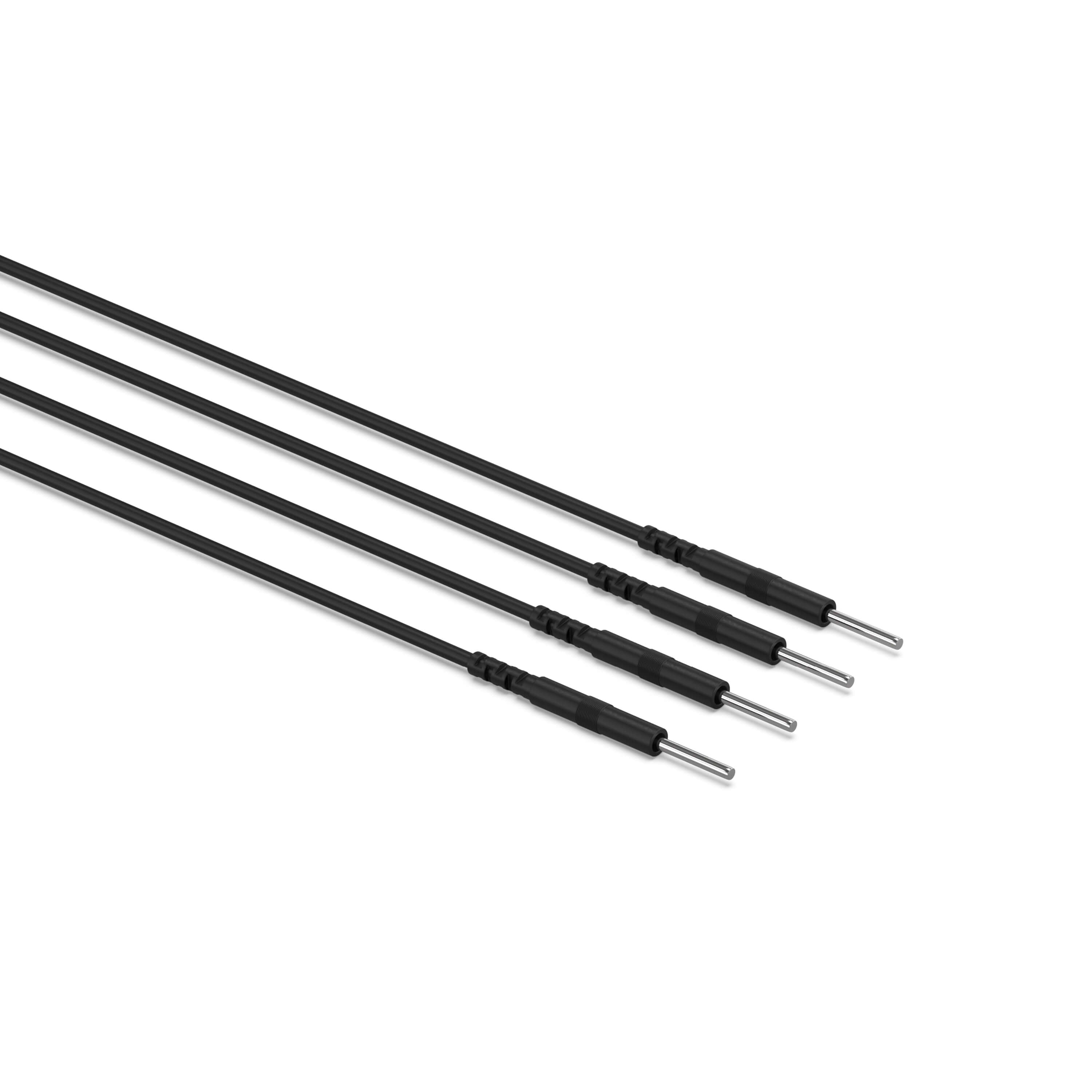
It ships with 12 electrode pads in multiple sizes. Standard 2mm connectors mean replacement pads are easy to find. The dual-channel output handles two areas at once with independent intensity controls.
When the acute pain phase passes, switch to EMS mode on the same device to rebuild the muscle strength that prevents the pain from coming back. One device covers the full recovery arc — pain management through rehabilitation.
(Prices may vary due to promotions. Please check the official website for the latest pricing.)
Frequently Asked Questions
Do I need a prescription to buy a TENS unit?
No. Consumer-grade TENS units don't require a prescription in most countries. Clinical-grade devices used in hospitals are a separate category entirely.
Can I use a TENS unit without seeing a physical therapist first?
Yes — for general muscle soreness and minor pain. For chronic conditions, post-surgical recovery, or nerve-related pain, getting guidance on settings and pad placement from a physical therapist first is worth it.
How do I know if I am using the right settings?
You should feel a strong tingling or buzzing sensation — noticeable but not painful. Sharp jolts or discomfort means the intensity is too high. Feeling nothing means it's too low. Adjust slowly in either direction.
How long before I notice results?
Many people feel relief during or immediately after the first session. For chronic conditions, the NIH National Library of Medicine notes that consistent use over several weeks typically produces the most noticeable improvement.





Leave a comment
All comments are moderated before being published.
This site is protected by hCaptcha and the hCaptcha Privacy Policy and Terms of Service apply.