

Short answer: With the TENS unit switched off, place pads on clean, dry, intact skin near or around the painful area. Keep every pad separated and position them so the tingling covers the intended area. Never place pads on the front or sides of the neck, head, broken or numb skin, or in a pattern that sends current across the chest.

TENS Unit Pad Placement Chart
| Area | General Starting Position | Avoid |
|---|---|---|
| Lower back | On the muscles to either side of the painful area | Directly over the spine or across the torso |
| Shoulder | On the muscular back or side of the shoulder | Front or sides of the neck; chest-to-back placement |
| Knee | On soft tissue above, below or beside the painful area | Fresh incisions, irritated skin or numb areas |
| Tennis elbow | On forearm muscles above and below the tender area | Directly over irritated skin or the bony point of the elbow |
| Calf | On the calf muscle around the uncomfortable area | Unexplained swelling, suspected clot or reduced sensation |
| Foot | On intact soft tissue near the painful area, with pads separated | Broken skin, numb areas or placements that impair walking |
This chart provides general educational guidance, not a prescription for a specific injury. Placement for surgery recovery, diagnosed nerve conditions, unexplained pain or reduced sensation should come from a healthcare professional.
Five Rules Before Placing TENS Pads
- Read the instructions for your specific TENS unit and electrodes.
- Switch the unit off before connecting, applying, removing or repositioning pads.
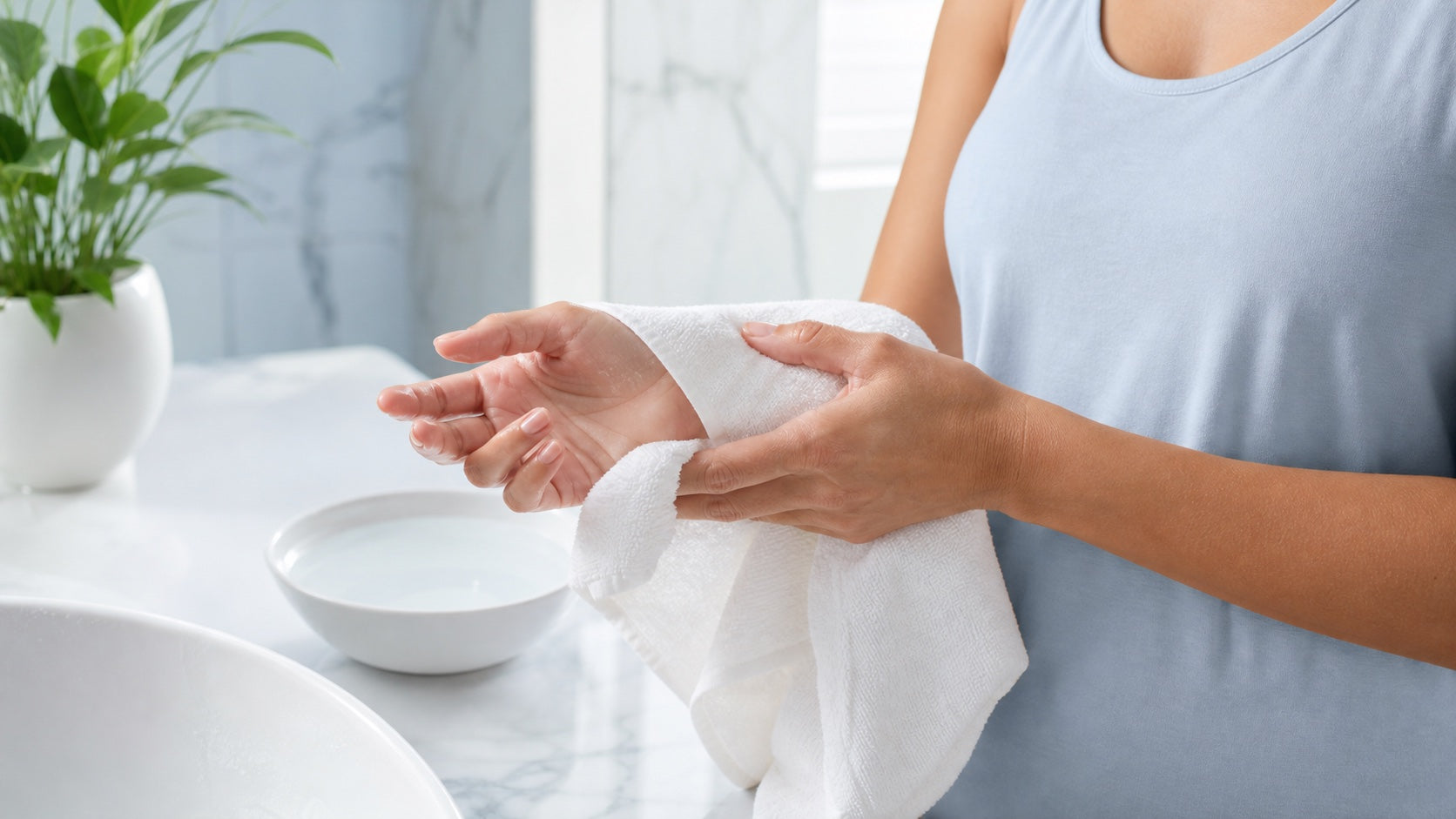
- Wash and completely dry the skin. Avoid lotion, oil, cream, powder, cuts and irritation.
- Inspect each pad. Replace it if the gel is dry, damaged or lifting.
- Start at the lowest intensity and increase slowly to a strong but comfortable tingling sensation.
The NHS TENS guide advises placing pads on clean skin near the painful area and leaving a gap between them. The Royal National Orthopaedic Hospital recommends placing pads on either side of the painful area at least 2.5 cm (1 inch) apart.

Lower Back TENS Unit Placement
Place pads on the muscles to the left and right of the painful lower-back area rather than directly over the spine. For a broad area, use a separated pair on each side if your device manual supports four-pad use. Do not arrange the electrodes so current travels through the torso.
Severe, unexplained or radiating lower-back pain, weakness, changes in bladder or bowel control, fever or recent trauma requires medical assessment rather than self-directed electrode placement.
Shoulder TENS Unit Pad Placement
For general shoulder TENS unit placement, use the muscular back or side of the shoulder, with pads surrounding the uncomfortable area. Keep electrodes away from the front and sides of the neck. Never pair an electrode on the chest with one on the upper back because that can direct current across the chest.
Following surgery, a dislocation or a suspected tendon tear, use only the placement approved by your surgeon or physiotherapist.
Knee Pad Placement
Place pads on soft tissue above, below or beside the painful part of the knee while keeping them separated. Do not place electrodes over a fresh incision, infected or irritated skin, or an area with reduced sensation. Follow your clinician's instructions after knee replacement, ACL repair or another operation.
Tennis Elbow and Forearm Placement
A general starting point is the forearm muscle above and below the tender outer-elbow area rather than directly on the bony point. Keep pads separated. If pain follows an injury, causes weakness or numbness, or does not improve, ask a clinician to confirm the cause and placement.
Calf and Foot Placement
For muscular calf discomfort, pads may be placed on intact calf muscle around the painful area. For the foot, use intact soft tissue near the target area and make sure leads and pads do not create a trip hazard. Do not apply TENS over numb skin or use it for unexplained one-sided calf swelling, warmth or redness; seek urgent medical advice because those symptoms can have causes that TENS does not address.
Sciatica and Radiating Pain
Sciatica has different causes and may require assessment. General lower-back placement may use the muscles above the buttocks on either side of the spine. Do not follow numb skin down the leg with electrodes without professional guidance.
Where TENS Pads Should Never Go
- Front or sides of the neck
- Head, temples, eyes or mouth
- Broken, infected, inflamed, irritated or numb skin
- Chest and upper back at the same time
- Any pattern that directs current across the chest
- Areas where pad leads could interfere with driving, tools or safe movement
Do not use TENS while sleeping, bathing, driving or operating machinery. Ask a healthcare professional before use if you are pregnant or have a pacemaker or another implanted electronic device, epilepsy, heart disease, cancer, circulation problems or reduced sensation. Review the TENS unit contraindications checklist before choosing a placement. For the most commonly misunderstood area, review the neck placement safety rules and areas to avoid.

Pad Care Affects Placement and Comfort
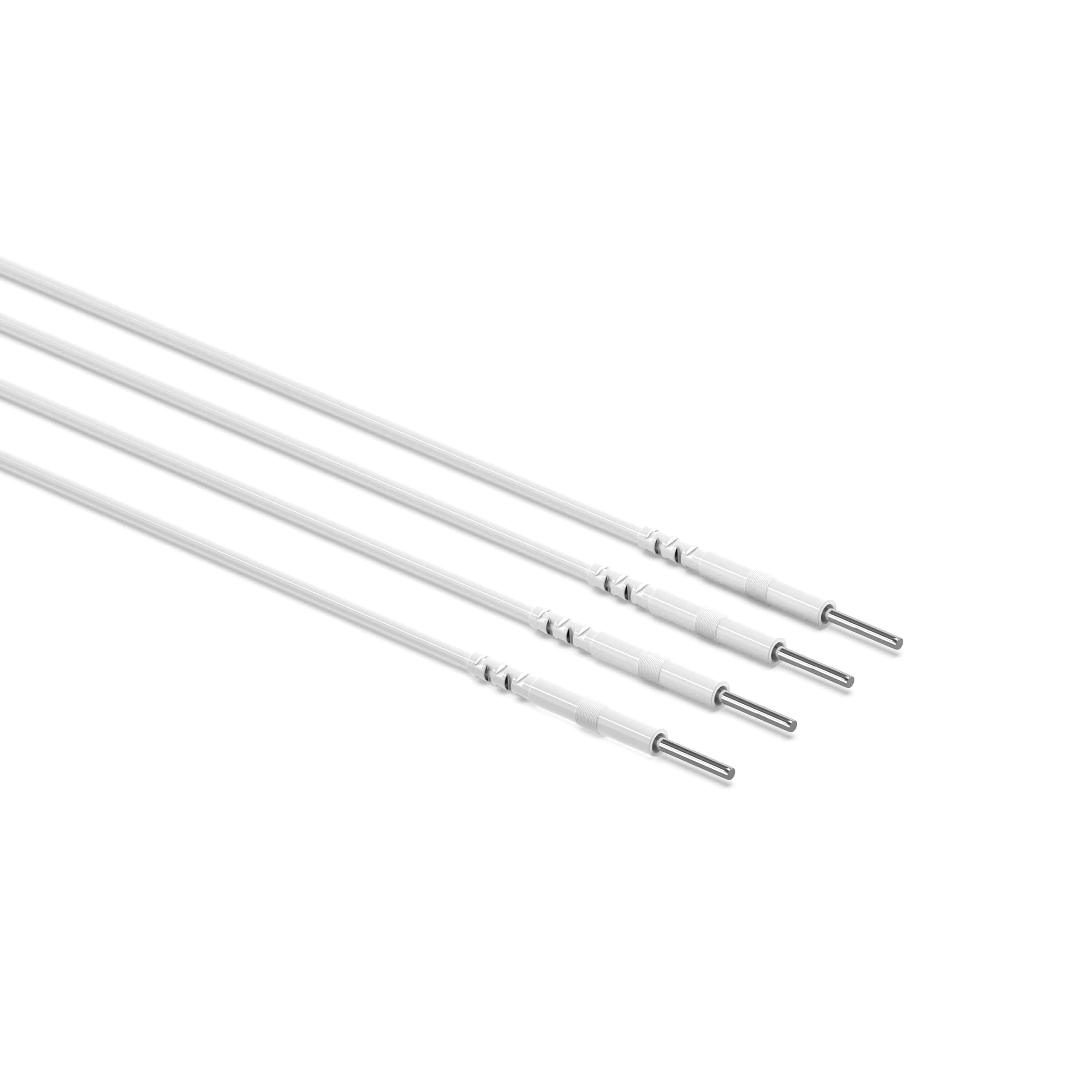
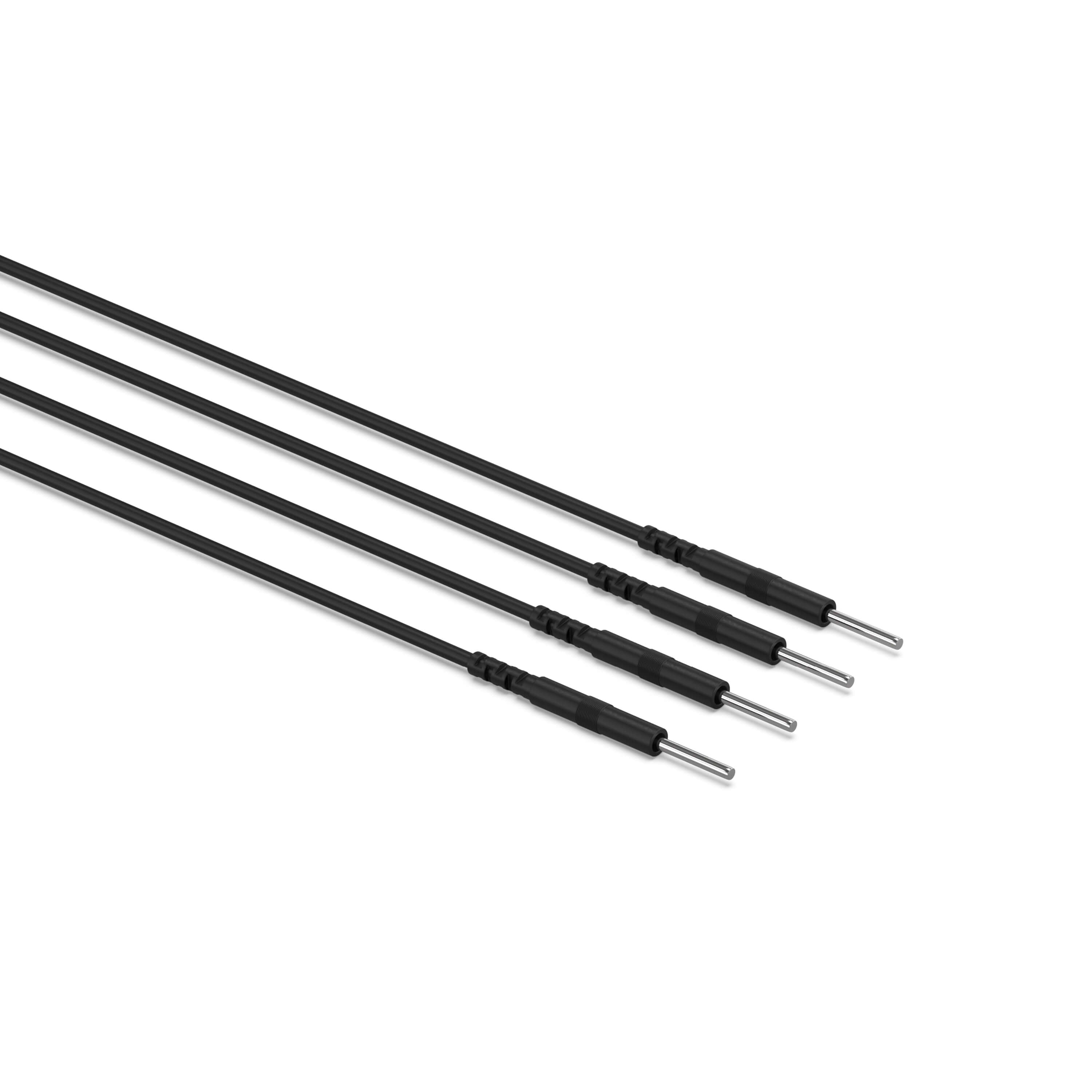
A dry or partly detached pad can produce uneven or uncomfortable stimulation. Read how to clean TENS unit pads and make them sticky again, return reusable electrodes to their backing after use, and replace them when they no longer adhere evenly. KONGZEE 12-pack replacement TENS pads use a standard 2mm pin connector; verify compatibility before ordering.
Frequently Asked Questions
How far apart should TENS pads be?
Keep pads separated. RNOH recommends at least 2.5 cm (1 inch), while some clinical guides recommend approximately one pad width. Follow your device manual if it specifies a greater distance.
Can I move TENS pads while the unit is on?
No. Switch the device off before applying, removing or repositioning any electrode.
Should TENS pads go directly on the painful spot?
They are commonly positioned near, around or on either side of the painful area. The correct position depends on the condition and sensation. Ask a clinician for individualized placement when the cause is uncertain.
Can I put TENS pads directly on my spine?
General lower-back placement uses the muscles on either side of the spine rather than directly over it.
Can I use TENS pads on my neck?
Do not place electrodes on the front or sides of the neck. Upper-back or shoulder placement should remain on the muscular area away from the throat and should not send current across the chest.
What should TENS feel like?
Typical TENS feels like a strong but comfortable tingling sensation. Stop if you feel burning, sharp pain or significant skin irritation.
Related TENS Guides
- What does a TENS unit do?
- TENS vs EMS: key differences
- How to use a TENS unit safely
- KONGZEE TENS Unit Manual & Support
Reviewed July 28, 2026. This guide is educational and does not replace medical advice, diagnosis or treatment.




Leave a comment
All comments are moderated before being published.
This site is protected by hCaptcha and the hCaptcha Privacy Policy and Terms of Service apply.