

Short answer: There is no single “best” TENS unit for every type of back pain. Choose a device with clear safety instructions, comfortable intensity control, compatible pads and enough channels for the area you plan to cover. TENS may provide temporary symptom relief for some people, but research on low-back pain remains uncertain and it does not diagnose or correct the cause of pain.

What Does the Evidence Say About TENS for Back Pain?
TENS sends low-voltage electrical pulses through electrodes placed on the skin. It is used to change how pain is perceived, and any benefit is generally temporary. The NHS TENS overview notes that TENS does not work for everyone. The National Center for Complementary and Integrative Health reports that a review of TENS and interferential current for low-back and neck pain could not determine whether these treatments were helpful.
An overview of Cochrane reviews on chronic pain also found the evidence too limited and low in quality for confident conclusions. This does not mean nobody feels benefit; it means a product should not promise that TENS will relieve, cure or prevent back pain.
How to Choose a TENS Unit for Back Pain
| Feature | Why It Matters | What to Check |
|---|---|---|
| Intensity control | Comfort and sensation vary by person and body area. | Easy controls that begin low and adjust gradually. |
| Channels | Two channels can support two separated pad pairs. | Whether each channel has independent intensity control. |
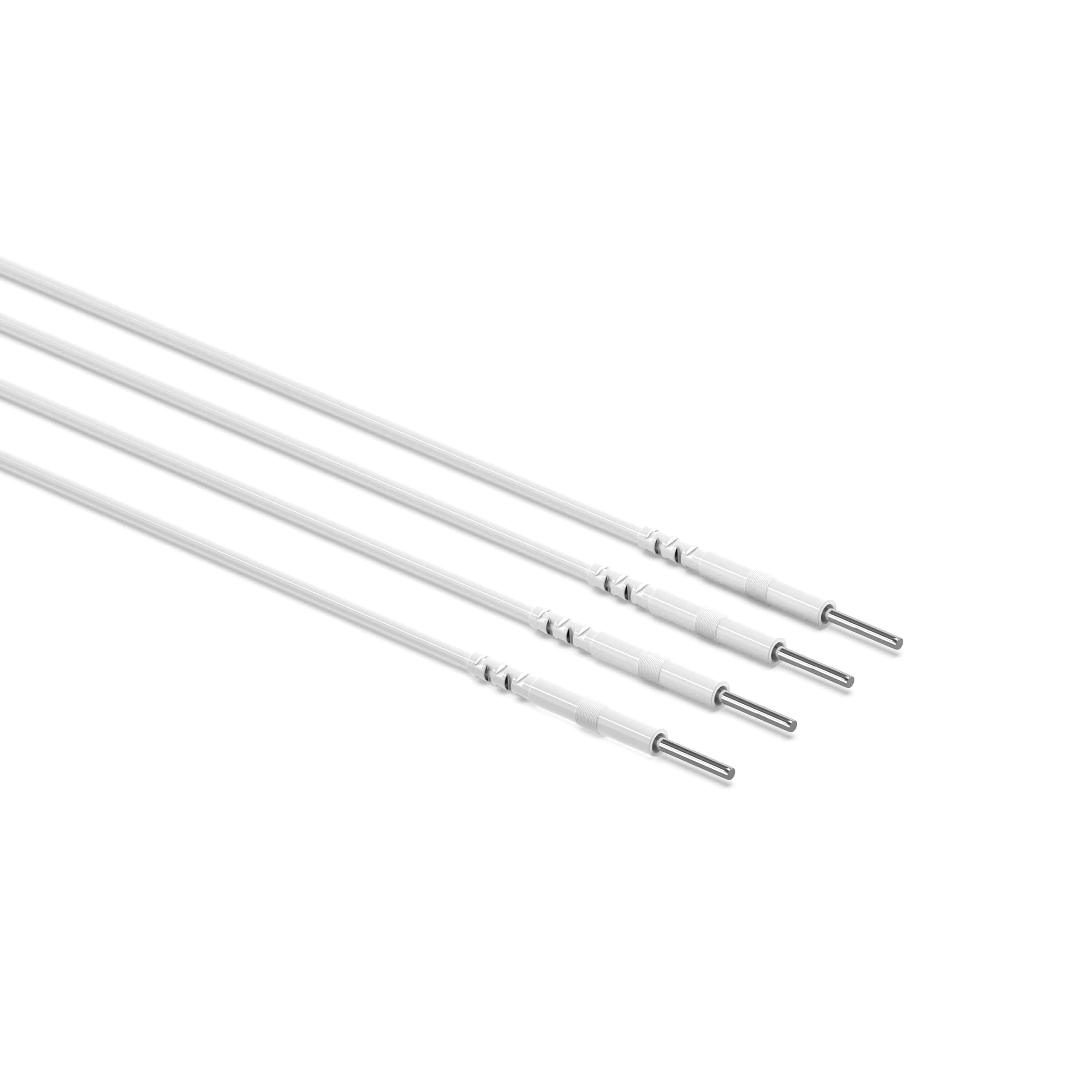
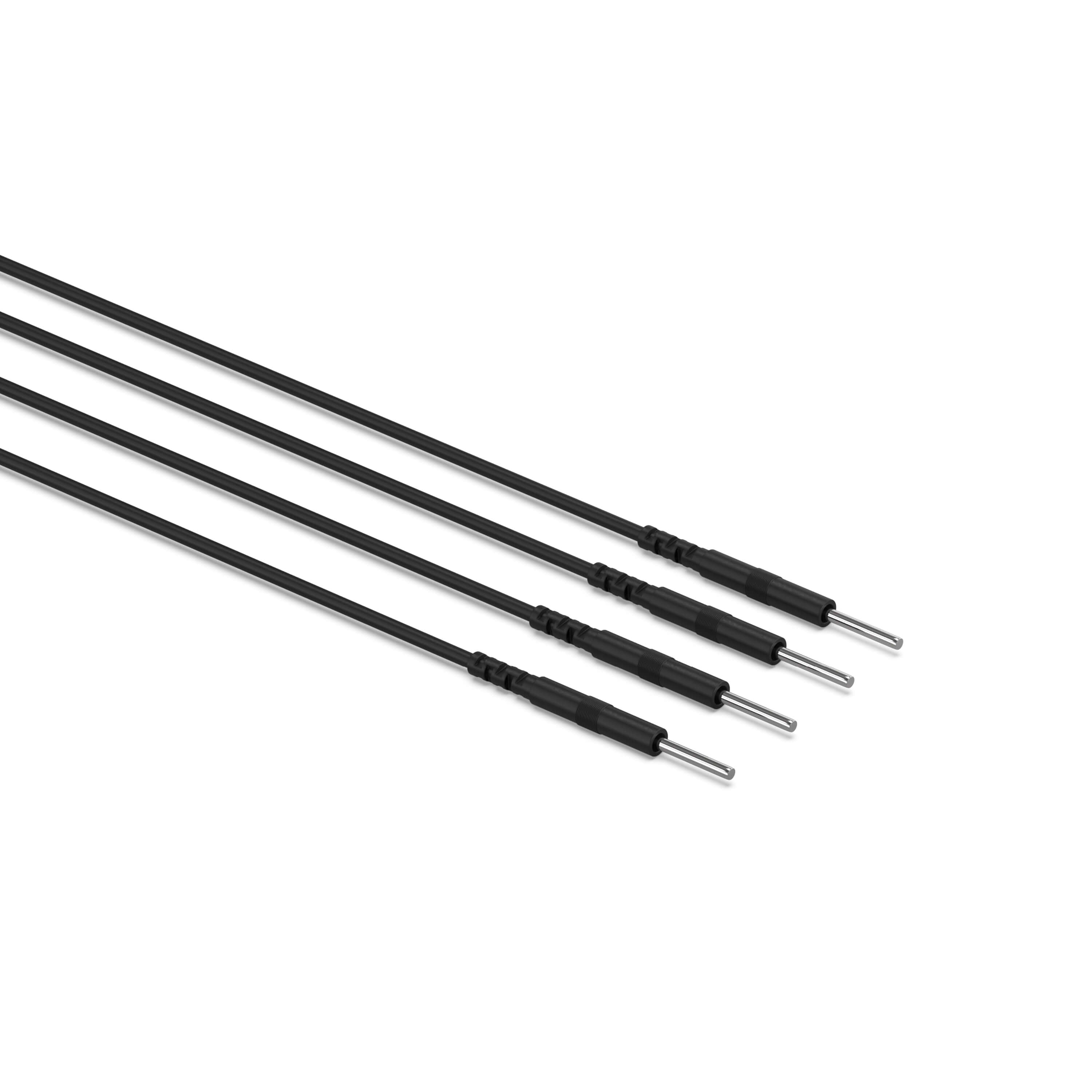
| Pad compatibility | Worn or lifting pads can feel uneven or irritating. | Connector type, pad sizes and replacement availability. |
| Clear display and controls | Simple operation helps prevent unintended intensity changes. | Readable screen, lock function and clear manual. |
| Power and portability | A rechargeable device may be convenient at home or while traveling. | Battery indicator, charging method and storage case. |
| Safety guidance | Placement and contraindications matter more than a long mode list. | Instructions for pad placement, warnings and cleaning. |
Single-Channel vs Dual-Channel TENS Units
A single-channel unit powers one pair of electrodes. A dual-channel unit can power two pairs, which may be useful for a broader lower-back area or two separate muscular areas. “Dual channel” does not make a unit universally more effective. The important questions are whether you need the extra coverage, can position every pad safely and can control each channel comfortably.
Preset Programs vs Adjustable Settings
Preset programs can make setup simpler. Adjustable frequency and pulse-width controls offer more flexibility, but more settings do not guarantee a better clinical result. Follow the device instructions and any plan provided by a healthcare professional. Sensation should be strong but comfortable, never sharp, burning or painful.
Lower Back TENS Pad Placement and Safety
With the unit switched off, apply pads to clean, dry, intact skin on the muscles near or around the painful area. Keep pads separated and do not place them directly over the spine or in a pattern that sends current across the torso. Start at the lowest intensity only after all pads are attached. See our detailed TENS unit pad placement chart. For reusable electrodes, follow the manufacturer’s instructions for cleaning TENS unit pads and replace any pad that no longer adheres evenly.
Do not use TENS on broken, infected, irritated or numb skin; on the head; on the front or sides of the neck; or while sleeping, bathing, driving or operating machinery. Ask a healthcare professional before use if you are pregnant or have a pacemaker or other implanted electronic device, epilepsy, heart disease, cancer, circulation problems or reduced sensation. Read the complete TENS contraindications guide.
When Back Pain Needs Medical Assessment
Do not use a home device to delay assessment of new, severe or unexplained back pain. Seek prompt medical help for pain after major trauma, fever, new weakness or numbness, loss of bladder or bowel control, numbness around the groin, or other rapidly worsening symptoms.
How the KONGZEE 4-in-1 TENS & EMS Unit Fits This Checklist

The KONGZEE 4-in-1 DIY TENS & EMS Unit offers dual-channel independent intensity control, TENS, EMS, Massage and DIY modes, 40 intensity levels, a rechargeable battery and 12 mixed-size electrode pads. Those features make it a flexible home-use option for shoppers who understand the difference between TENS and EMS and want adjustable controls. They do not guarantee pain relief or make the device appropriate for every diagnosis.
For a broader feature and ownership comparison, read the best TENS unit for home use buying guide.
Frequently Asked Questions
Can a TENS unit cure back pain?
No. TENS may temporarily change pain perception for some users, but it does not diagnose or cure the underlying cause of back pain.
Where should TENS pads go for lower-back pain?
General guidance is to place separated pads on intact muscle tissue near or around the painful lower-back area, not directly on the spine and not across the torso. Individual conditions may require clinician-guided placement.
How long should I use a TENS unit?
There is no single session length that is right for every device, condition or person. Follow your product manual and healthcare professional’s guidance. Stop if stimulation becomes painful or your skin becomes significantly irritated.
Is EMS the same as TENS for back pain?
No. TENS is primarily used for sensory stimulation and pain modulation. EMS/NMES is designed to produce muscle contraction for different goals. Read TENS vs EMS before choosing a mode.
What should I prioritize when comparing products?
Prioritize safety instructions, comfortable controls, appropriate channel count, replacement-pad availability and support. Treat “instant,” “guaranteed” and “cure” claims as warning signs.
Sources and Related Guides
- NHS: Transcutaneous electrical nerve stimulation (TENS)
- NCCIH: Low-back pain and complementary health approaches
- Cochrane: TENS for chronic pain
- Cleveland Clinic: TENS
- How to use a TENS unit safely
Reviewed July 28, 2026. This article is educational and does not replace medical advice, diagnosis or treatment.




Leave a comment
All comments are moderated before being published.
This site is protected by hCaptcha and the hCaptcha Privacy Policy and Terms of Service apply.